Vitrified vs Ceramic Tiles: Which Is Right for Your Home?
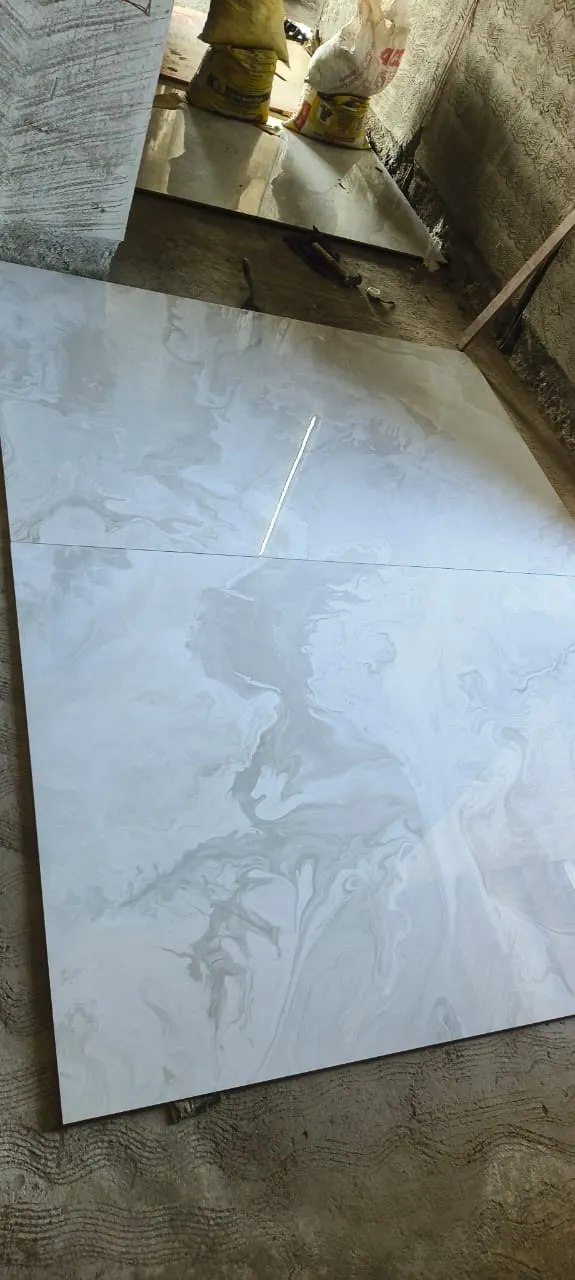
Choosing tiles is one of the first big decisions in any flooring project. Most homeowners end up comparing vitrified and ceramic tiles. Here is a practical guide from the people who lay them every day.
What is the difference?
Ceramic tiles are made from clay fired at a moderate temperature and then glazed. They are lighter, easier to cut and usually cheaper.
Vitrified tiles are made from a clay and silica mix fired at a much higher temperature. The result is a dense, glass-like body that absorbs almost no water.
Quick comparison
- Strength: vitrified is harder and handles heavy furniture and foot traffic better.
- Water absorption: vitrified absorbs less than 0.5%, so it suits living rooms, kitchens and outdoor areas.
- Look: vitrified comes in large, glossy, marble-look formats like 600x1200 and 800x1600. Ceramic has more matte and textured designs.
- Cost: ceramic is usually cheaper per sq.ft, but vitrified often lasts longer.
Where we recommend each
- Living room, bedrooms, lobby: glossy or satin vitrified, ideally large format for fewer joints.
- Bathroom walls: ceramic or digital wall tiles work well and cost less.
- Bathroom floors: matte or anti-skid vitrified for safety.
- Kitchen: vitrified on the floor; ceramic, vitrified or slab for the backsplash.
Installation matters more than the tile
Even the best tile looks bad if it is laid badly. Large vitrified tiles need a level base, the right adhesive and careful lippage control. That is where an experienced tile contractor makes the difference.
Not sure what to choose? Request a free site visit and we will suggest the right tile for each room.